

Tech retail in Singapore: Trends, experiences, and smart shopping
TL;DR:
- Offline electronics retail dominates Singapore’s market with 87% of sales despite high internet penetration.
- Singaporean shoppers prefer in-store testing and immediate ownership for high-value tech products.
- Retailers are increasingly adopting hybrid models with omnichannel, smart technology, and experiential stores.
Singapore is one of the world’s most connected cities, yet walk into any major electronics mall and you will find something surprising: the aisles are packed. Despite lightning-fast internet, same-day delivery apps, and a population that practically lives on smartphones, offline electronics retail dominates at 87% of the market here. That gap between expectation and reality is exactly where the real story of tech retail in Singapore begins, and understanding it will make you a far smarter shopper.
Table of Contents
- What is tech retail? Definition and evolution
- Core technologies transforming tech retail
- Offline dominance in Singapore’s tech retail: Resilience and reasons
- Experiential tech retail in Singapore: What shoppers can expect
- Why the future of tech retail in Singapore will always be hybrid
- Discover the best tech retail deals and experiences in Singapore
- Frequently asked questions
Key Takeaways
| Point | Details |
|---|---|
| Offline remains strong | Most Singaporeans prefer to shop for electronics in-store for hands-on testing and peace of mind. |
| New tech boosts engagement | AI, omnichannel strategies, and interactive displays make shopping more memorable and efficient. |
| Hybrid shopping is the future | Blending online research with in-store visits offers the best deals and confidence when buying tech. |
| Tech retail is evolving fast | Singapore’s electronics retail scene is shifting towards immersive experiences and greater personalization. |
What is tech retail? Definition and evolution
Most people use the term loosely, but a solid definition matters before you can spot what is changing. Tech retail refers to the retail sector focused on selling consumer electronics, IT products, telecommunications equipment, and related gadgets, often enhanced by technologies like AI, IoT, mobile payments, and omnichannel strategies. In plain terms, it is the business of getting technology products into the hands of everyday people through structured retail channels.
The category covers more ground than most shoppers realize. Here is a quick look at what falls inside tech retail today:
- Classic products: Laptops, desktop computers, smartphones, and cameras
- Emerging gadgets: Smart home speakers, wearables, AR headsets, and drones
- Supporting services: Repairs, warranty plans, firmware updates, and trade-in programs
- Telecom goods: SIM plans, routers, and enterprise communication devices
- Accessories ecosystem: Cables, cases, chargers, and audio peripherals
Twenty years ago, tech retail in Singapore was almost entirely brick-and-mortar. Sim Lim Square was the destination, a seven-story building where you could bargain, compare specs across five stores in ten minutes, and walk out with your purchase same-day. Then the internet arrived, platforms like Lazada and Shopee scaled rapidly, and many analysts predicted the death of the physical store.
That prediction has not aged well. Instead of replacing physical retail, digital tools became the research layer that feeds foot traffic into stores. Shoppers now browse reviews online, shortlist two or three models, then head in-store to close the decision. When you are comparing tech retailers side by side, this hybrid behavior is the norm rather than the exception.
“The most dramatic shift in tech retail is not the move from offline to online. It is the blending of both into a single, seamless journey where the customer decides how and when to switch channels.”
That quote captures the current reality well. The lines between physical and digital shopping have not just blurred. They have merged.
Core technologies transforming tech retail
With a firm definition in place, it is crucial to spotlight the technologies that are changing how you shop for gadgets and electronics. Key mechanics of new retail include omnichannel integration blending online and offline, data-driven personalization using AI and big data, smart store technology like RFID, palm scanners, and cashierless checkout, and experiential elements such as product demos and interactive displays.
Each of these deserves a closer look because they are already showing up in Singapore’s retail landscape, not as future concepts but as working systems.
Omnichannel integration means a retailer connects its website, app, and physical store into one experience. You add a laptop to your cart online, walk into the store, and a staff member already knows your shortlist. Some stores send push notifications with floor-specific deals the moment your phone connects to their in-store Wi-Fi. It sounds futuristic, but it is operational at several major chains right now.
Smart store technology goes even further. RFID tags (radio frequency identification chips embedded in product packaging) allow stores to track inventory in real time, so staff always know which units are in stock and where. Palm scanners and cashierless checkouts, piloted at Amazon Fresh locations globally, are beginning to appear in Asian markets. In Singapore, contactless payments are already universal, with PayNow and NETS integration standard across virtually all tech stores.
Interactive displays let you physically test a product in a simulated real-world environment. Trying noise-canceling headphones in a quiet booth, running benchmark software on a display laptop, or viewing camera samples shot on the actual device you are considering. These are experiences no product listing can replicate.
Here is a side-by-side view of what has changed at the store level:
| Feature | Traditional retail | Tech-enabled retail |
|---|---|---|
| Inventory tracking | Manual stock counts | Real-time RFID scanning |
| Payment methods | Cash and card only | NFC, QR, e-wallets, BNPL |
| Customer personalization | None | AI-driven recommendations |
| Product discovery | Staff-assisted only | Interactive digital kiosks |
| After-sales service | Walk-in counter | App-based ticketing and tracking |
| Loyalty programs | Punch cards | Data-linked digital rewards |
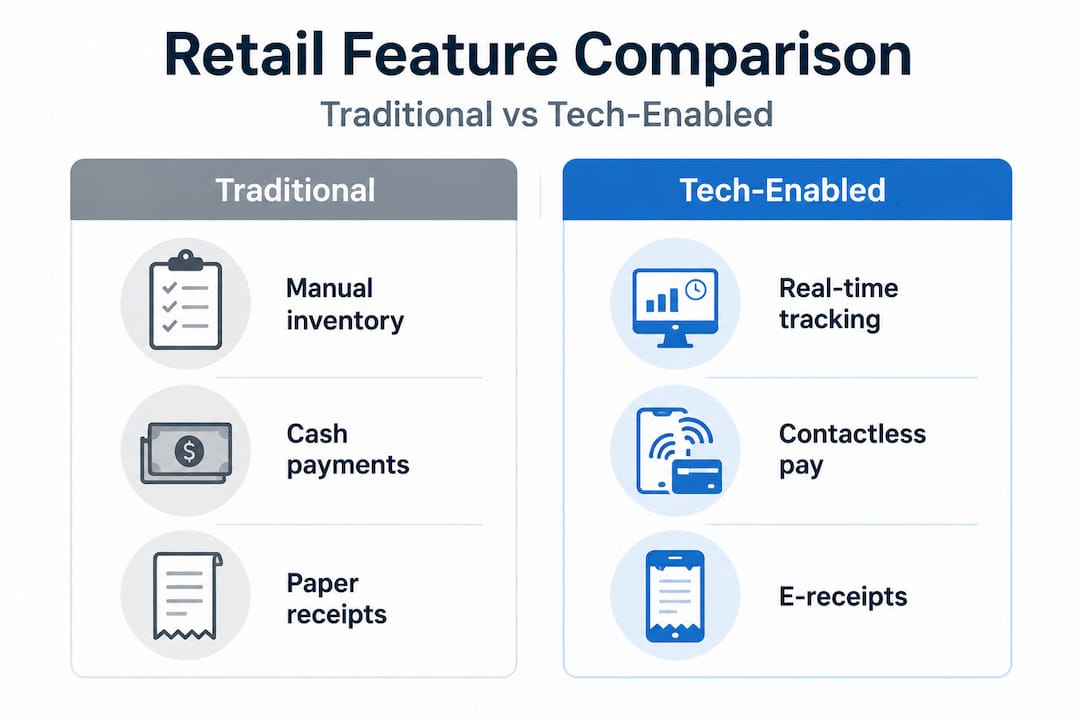
Retailers who invest in modern EPOS features (electronic point-of-sale systems) gain a significant edge. These platforms connect sales data, inventory, and customer profiles into one dashboard, allowing smarter restocking and more targeted promotions.
Pro Tip: When you visit a tech store in Singapore, ask staff if they have a price-match or member discount system linked to an app. Many stores have loyalty tiers that unlock better prices instantly, but the discounts are rarely advertised at the counter.
Keep an eye on what is trending in innovative store technologies as retailers continue upgrading their floor experience throughout 2026.
Offline dominance in Singapore’s tech retail: Resilience and reasons
While innovation is everywhere, it is worth asking: why do Singaporeans still flock to physical tech stores? The answer goes deeper than habit.
87% of Singapore’s electronics retail sales happen in physical stores. That figure from the Singapore Retail Payment Trends Report is striking precisely because Singapore is not a country lacking digital infrastructure. The reason is simple: 46% of buyers specifically choose in-store shopping for computers and telecom products to check performance and physical feel before committing.
When you spend $1,500 on a laptop, you want to press the keys. You want to see the display brightness in a lit room. You want a technician to confirm compatibility with your existing hardware. No product page delivers that.
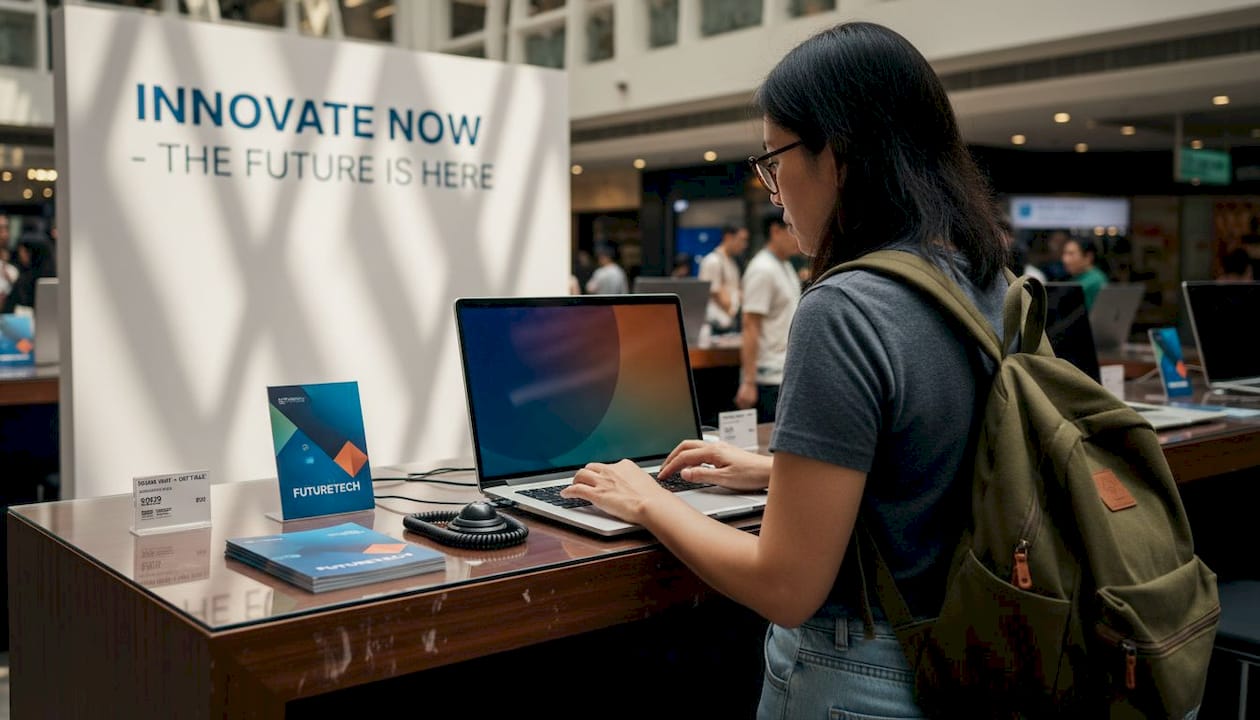
Here is a comparison that makes the real stakes clear:
| Factor | In-store shopping | Online shopping |
|---|---|---|
| Hands-on testing | Full access | Not possible |
| Immediate ownership | Yes | 1 to 3-day delivery |
| Warranty verification | In-person confirmation | Risk of grey market |
| Bargaining potential | Often available | Fixed pricing |
| After-sales support | Direct, local | Brand-dependent |
| Product authenticity | Verifiable | Variable risk |
| Personalized advice | Expert staff available | Chatbots or delayed replies |
Most online-only shoppers focus purely on price and miss several factors that matter over the full ownership lifecycle. Here are the ones that add up most:
- After-sales support: Local store warranties are often processed faster than brand service centers. A store you visited in person is also far easier to follow up with.
- Grey market risk: Some online listings offer international sets with incompatible plugs or keyboards not suited for Singapore.
- Bundling value: In-store, you can negotiate a screen protector, case, or extended warranty into the deal. That flexibility does not exist on most e-commerce platforms.
- Real-time comparison: Walking between two stalls at Sim Lim Square and comparing two models physically side-by-side takes minutes. The equivalent online involves 12 browser tabs.
- Repair access: If something goes wrong, knowing the exact store that sold you the product gives you immediate accountability and faster resolution.
Browsing Sim Lim Square shop categories before your visit helps you plan which floors match your product needs, saving time on the day.
Pro Tip: For high-value purchases above $800, always choose in-store. The small price difference you might save online rarely outweighs the peace of mind from a verified local warranty, and you can often negotiate the price down to match or beat online listings anyway. Check out top tech deals to arrive with realistic price benchmarks.
Experiential tech retail in Singapore: What shoppers can expect
Now that we understand Singapore’s offline retail resilience, let us explore what actually happens when you step into the city’s most famous electronics malls.
Tech retail has evolved from simple product sales to immersive, tech-enabled experiences that prioritize personalization and seamlessness. For Singapore’s tech-savvy shoppers who already value hands-on testing, this evolution is particularly meaningful because it layers new value on top of a strong existing preference.
Walk into a well-designed tech store in 2026 and the experience is structured around you, not the product shelf. Staff are trained to ask about your workflow before recommending a laptop. Display units run live benchmarks so you can watch processing speed in real time. Audio demo stations let you A/B test headphones with your own music playlist via Bluetooth. Camera comparison walls show real-world sample shots taken by the exact models on display.
Here is what to expect at Singapore’s leading retail tech hubs:
- Live product demos with pre-loaded software and games for hands-on trial
- On-site technical consultations to assess compatibility with your existing setup
- Trade-in counters where staff assess your old device and deduct value from your purchase immediately
- Repair and diagnostic bays for same-day assessments
- Price-matching policies that staff can verify against competitor listings on the spot
- Loaner and demo programs at select stores for short-term device testing before committing
“The stores that will win the next decade are not the ones with the most stock. They are the ones that make every customer feel like the store was designed specifically for their next purchase.” — Industry analyst perspective on experiential retail in Southeast Asia.
Understanding the layout of Sim Lim Square’s levels helps you navigate toward exactly the experience you want, whether that is camera gear, laptop repairs, or gaming peripherals. If you want a visual preview before visiting, the Sim Lim Square tech tour videos offer a floor-by-floor walkthrough that saves you from wandering without direction.
The smartest approach is to visit with a shortlist but an open mind. Shortlist narrows your time. An open mind allows expert staff and live testing to reveal a better option you would have missed online.
Why the future of tech retail in Singapore will always be hybrid
Here is a perspective that most retail analysis misses: online and offline in Singapore are not competing channels. They are partners in the same purchase decision.
Think about the last time you bought something expensive, whether that was a mirrorless camera, a gaming laptop, or a set of wireless earbuds. You almost certainly spent time online first: reading reviews, watching YouTube comparisons, checking forum discussions. Then you either bought online or went to a store. That pre-purchase research phase is digital. The trust-building and transaction phase is often physical.
Retailers who understand this build for both. They invest in online content so they appear during your research phase, then design the in-store experience to be the natural conclusion to that journey. The stores that ignore one channel in favor of the other are the ones quietly closing.
Here is the view we hold firmly: Singapore’s compact geography actually accelerates the hybrid model. Unlike larger countries where physical stores are inconvenient, Singapore’s MRT-connected mall network means visiting Sim Lim Square takes 20 minutes from most residential areas. That accessibility makes the “research online, buy in person” behavior practically effortless.
The shopper who gets the most value is the one who treats both channels as tools rather than opponents. Use price-tracking apps and spec comparison sites online. Use your in-store visit to validate, negotiate, and build a relationship with a seller who can support you post-purchase. When you make smart tech retail comparisons across both channels, you eliminate the risk of buyer’s remorse entirely.
Personalization is the final piece. AI-driven tools online can predict what you might like. But a knowledgeable store staff member who asks five targeted questions about your work and lifestyle can surface a recommendation no algorithm would find. Both forms of personalization have real value. Use them together.
The hybrid future is not a compromise between two imperfect options. It is a genuinely superior third option that most shoppers have not fully realized yet.
Discover the best tech retail deals and experiences in Singapore
Ready to put this knowledge into action? Sim Lim Square Insider is built exactly for this moment in your shopping journey.
Whether you are comparing the latest laptops, hunting for camera deals, or figuring out which floor has the audio gear you need, the platform brings together store directories, expert guides, and real deal comparisons all in one place. Start with the Sim Lim Square vs. Funan tech deals overview to understand which mall suits your product category best. If you want to dig into specific floor-level options, the Basement 1 tech stores guide breaks down exactly who is there and what they carry. And before your first visit, the Sim Lim Square video tours give you a visual orientation so you walk in confident, not confused. This is your shortcut to smarter, more satisfying tech purchases in Singapore.
Frequently asked questions
What types of products are typically sold in tech retail stores?
Tech retail stores focus on consumer electronics, IT products, telecommunications equipment, and related gadgets, including smartphones, laptops, smart home devices, and wearables, along with supporting accessories and repair services.
Why do Singaporeans still prefer shopping offline for electronics?
Singaporeans value the ability to physically test products before buying, with 87% of electronics retail sales occurring in physical stores due to the need to check performance, feel, and authenticity in person.
How are tech retailers using new technologies to enhance shopping experiences?
Retailers now use AI personalization and omnichannel integration alongside interactive product demos and smart store systems like RFID and cashierless checkout to create faster, more tailored in-store experiences.
Are there advantages to shopping online for tech products in Singapore?
Online shopping offers price transparency, convenience, and access to a wider product range, but most shoppers still value the in-person experience for warranty verification, personalized advice, and immediate ownership of high-value items.
How big is the electronics retail market in Singapore?
Singapore’s electronics retail market is valued at USD 3.71B in 2025 and is projected to reach USD 6.23B by 2034 at a 6% compound annual growth rate, reflecting strong and sustained demand.
Recommended
- Why compare tech retailers in Singapore for smart shopping – Sim Lim Square Insider
- Explore Sim Lim Square Shop Categories for Tech Bargains – Sim Lim Square Insider
- Top tech deals in Sim Lim Square: save more on electronics – Sim Lim Square Insider
- Sim Lim Square levels explained: navigate Singapore’s tech hub – Sim Lim Square Insider