

Thermal Cameras: Types, Uses, and How to Choose
What are thermal cameras and which types should you know?
Thermal cameras, also called infrared cameras, detect infrared radiation emitted by objects and convert those heat signatures into visible images. Every object above absolute zero emits some level of infrared energy, and these devices make those temperature differences visible in real time. That core capability is what makes them indispensable across electrical maintenance, building diagnostics, security, and dozens of other fields.
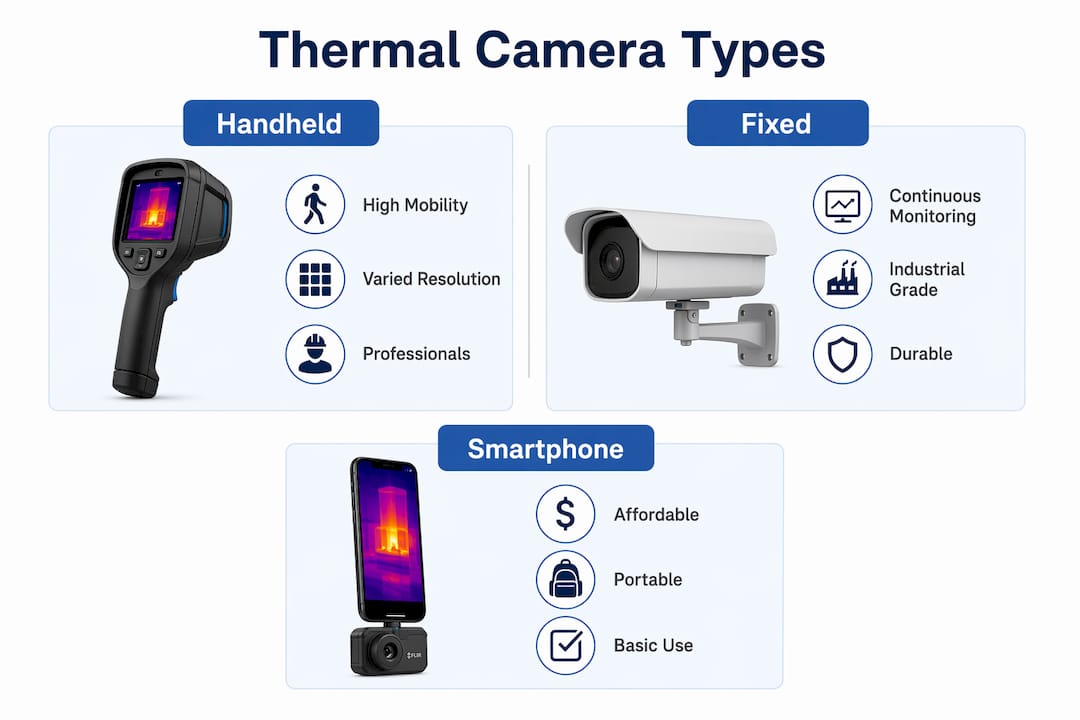
Three main types dominate the U.S. market:
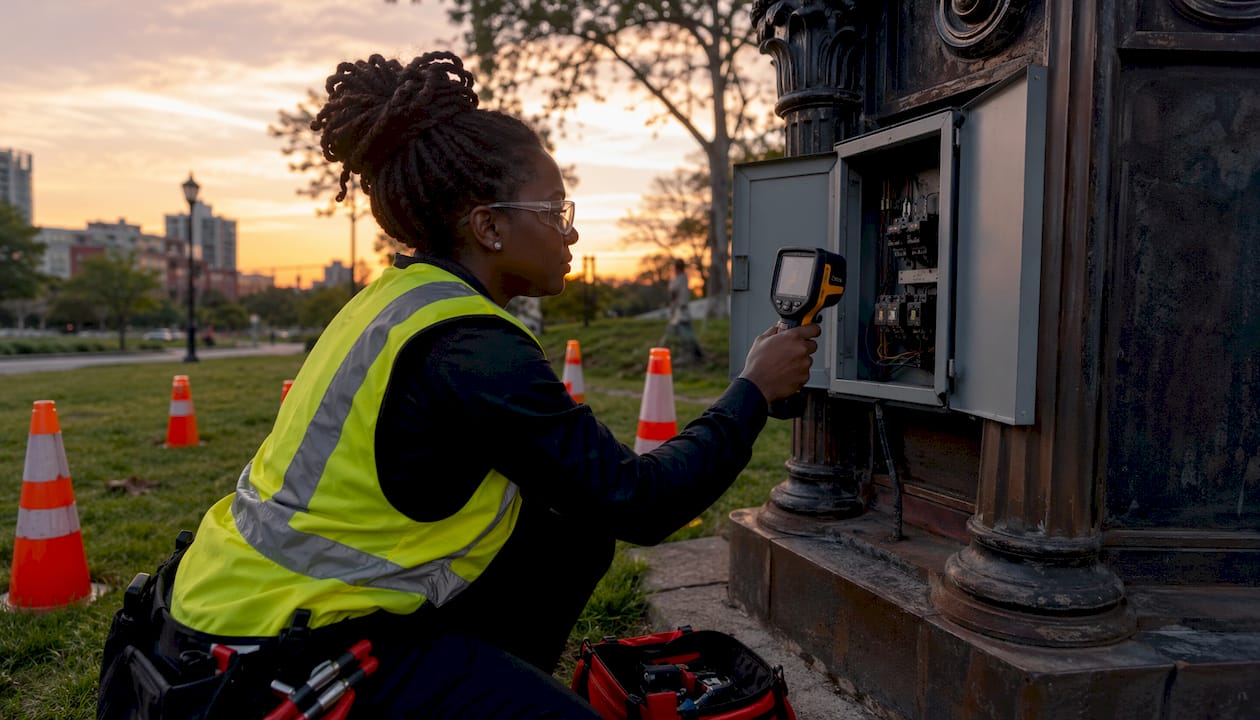
- Handheld thermal cameras: Portable, battery-powered units in pistol-grip or pocket form factors. Used by electricians, HVAC technicians, and building inspectors who need to move through a facility and scan equipment on the go.
- Fixed thermal cameras: Permanently mounted systems designed for continuous, automated monitoring. Found in industrial plants, cold storage facilities, and perimeter security installations. AXIS thermal cameras are a well-known example in this category, offering integration with industrial protocols and building management systems.
- Smartphone-compatible thermal cameras: Plug-in modules that attach to a phone’s USB-C or Lightning port, using the phone’s screen and processor. Affordable and portable, they suit homeowners, students, and light-duty inspections.
TOPDON thermal imagers span both handheld and smartphone-compatible categories, offering models from entry-level phone attachments to professional standalone units. For professionals, a dedicated handheld or fixed system almost always outperforms a phone module in durability and sustained usability.
Table of Contents
- How handheld thermal cameras perform in the field
- Fixed thermal cameras for continuous monitoring
- Smartphone-compatible thermal cameras: what they do well and where they fall short
- Key technical specifications and what they mean for your use case
- How thermal cameras are used across U.S. industries
- What thermal cameras actually cost
- How to choose the right thermal camera for your needs
- Maintenance and calibration: keeping your readings accurate
- Key Takeaways
- FAQ
How handheld thermal cameras perform in the field
Handheld units are the workhorse of professional thermal imaging. Most feature pistol-grip designs that allow single-hand operation while the other hand holds a flashlight or takes notes. Pocket-sized models exist for lighter tasks, though they typically trade resolution for compactness.
Resolution is the spec that separates a useful tool from a frustrating one. Entry-level handhelds start at 160×120 pixels, which is adequate for spotting a hot breaker panel or a cold wall section. Mid-range units at 320×240 deliver noticeably sharper images, and professional-grade models at 640×480 or higher let you identify a failing bearing on a motor from across a room. That jump in clarity directly affects how quickly you can diagnose a problem.
Key features to evaluate in a handheld unit:
- Thermal sensitivity (NETD): Measured in millikelvin (mK); lower is better. A camera with 50 mK NETD detects finer temperature gradients than one rated at 100 mK.
- Temperature range: Most building and electrical work stays well within a 14°F–1,022°F (−10°C–550°C) range. Wider ranges matter for furnace monitoring, not home inspections.
- Battery life: Professional-grade handhelds typically run 4–8 hours per charge. Plan for a full workday.
- Durability ratings: Look for IP54 or better for dusty or wet environments.
- On-screen analysis: Spot meters, area analysis, and isotherm displays save time in the field.
TOPDON’s handheld lineup covers the range from compact models suited to automotive diagnostics to higher-resolution units for building work. One practical limitation worth knowing: replacing or servicing the battery on some compact models requires sending the unit in, so check serviceability before buying.
Fixed thermal cameras for continuous monitoring
Fixed thermal cameras do something handhelds fundamentally cannot: they watch the same spot, 24 hours a day, without an operator present. That continuous coverage is the entire point. A technician walking a facility once a week might miss a transformer that starts overheating on a Tuesday afternoon. A fixed camera catches it the moment it happens.
These systems are built for harsh environments. Rugged enclosures handle vibration, moisture, and temperature extremes that would damage a consumer device. Fixed-mount systems integrate with industrial protocols including Ethernet/IP, Modbus TCP, and GigE Vision, which means they can feed data directly into a plant’s control system and trigger an alarm or shutdown automatically.
AXIS thermal cameras are a strong example of this category. Their fixed units stream raw radiometric data and support GenICam standards, making them compatible with machine vision software and building management systems. A cold storage operator, for instance, can set temperature thresholds and receive an alert the moment a refrigeration unit drifts out of spec, rather than discovering spoiled inventory the next morning.
Common fixed-camera applications:
- High-voltage electrical line surveillance
- Perimeter security at industrial sites and data centers
- Cold storage and pharmaceutical temperature compliance
- Conveyor belt monitoring for friction and overheating
- Continuous emissions monitoring in manufacturing
The tradeoff is cost and installation complexity. Fixed systems require mounting hardware, network infrastructure, and often professional commissioning. The upfront investment is higher than a handheld, but for facilities running continuous operations, the long-term reduction in unplanned downtime typically justifies it.
Smartphone-compatible thermal cameras: what they do well and where they fall short
Phone-attached thermal modules have brought infrared imaging to a much wider audience. Prices in an affordable range put them within reach of homeowners checking for drafts, students doing science projects, or a small contractor who needs occasional thermal checks without committing to a full handheld unit.
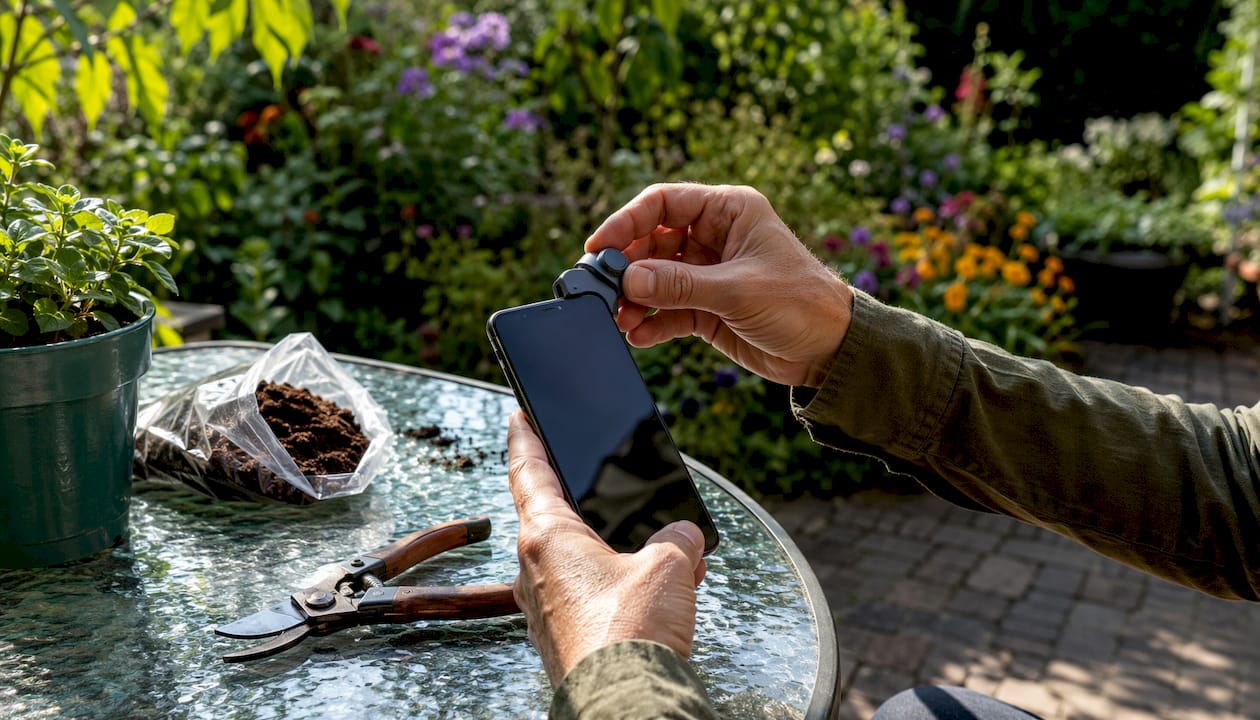
Resolutions typically run from low to moderate pixel counts. That is enough to spot a missing patch of attic insulation or find a warm water pipe behind drywall, but not enough to reliably identify a failing electrical connection on a crowded panel. The images are functional, not diagnostic-grade.
The practical limitations add up quickly in professional use. Phone-attached modules can drain a smartphone battery in 60–90 minutes of continuous use, which is a real problem mid-inspection. Outdoor screen readability is another issue: a bright day makes it genuinely hard to read a phone display, even with brightness maxed out. Ergonomics matter too. Holding a phone at arm’s length for an hour of ceiling scanning is uncomfortable in a way that a pistol-grip handheld is not.
When a smartphone module makes sense:
- Homeowners doing a one-time energy audit before weatherizing
- Students and educators demonstrating heat transfer concepts
- Light-duty contractors who need occasional thermal checks and already own a compatible phone
- Travelers or field workers who need minimal kit weight
Professionals who use thermal imaging more than a few times a month almost always move to a dedicated handheld. The durability, battery life, and ergonomics of a standalone device pay for themselves in reduced frustration alone.
Key technical specifications and what they mean for your use case
Understanding a spec sheet separates a smart purchase from an expensive mistake. Here is what actually matters:
Sensor resolution determines how much detail you see. A 160×120 sensor produces 19,200 pixels; a 320×240 produces 76,800. That fourfold difference is visible immediately when you try to identify a specific component in a crowded electrical cabinet.
Thermal sensitivity (NETD) is the smallest temperature difference the camera can detect. A lower NETD value means finer gradient detection. For building inspections and HVAC diagnostics, 50 mK or better is worth prioritizing over a wider temperature range.
Temperature measurement range matters only when your application actually requires it. Most electrical and building work stays within a moderate range. Buying a camera rated to 2,732°F (1,500°C) for home inspections is paying for a spec you will never use.
Frame rate affects how smoothly moving subjects appear. 9 Hz is the legal limit for export-controlled cameras sold in the U.S. without a license; 30 Hz or higher is available in non-restricted models and makes a difference when scanning moving machinery.
Detector technology: Most commercial cameras use uncooled microbolometer detectors. Despite the “uncooled” label, these sensors rely on internal thermoelectric coolers to stabilize the detector temperature and prevent measurement drift. That stabilization is what keeps readings accurate across varying ambient conditions.
Pro Tip: For most building, electrical, and HVAC work, prioritize NETD and resolution over maximum temperature range. A camera with 50 mK NETD and 320×240 resolution will outperform a 100 mK, 160×120 unit with a higher temperature ceiling every single time.
How thermal cameras are used across U.S. industries
Thermal imaging shows up across more industries than most buyers initially realize. The core value is always the same: see what is invisible to the naked eye before it becomes a costly problem.
- Electrical and mechanical maintenance: Overheating connections, failing motors, and unbalanced loads all show up as hot spots. Catching them early prevents equipment failure and reduces repair costs.
- Building diagnostics: Missing insulation, air leaks, and moisture intrusion behind walls are reliably visible with a thermal imager. Home energy auditors use this routinely.
- HVAC: Technicians use infrared cameras to verify duct sealing, check refrigerant distribution, and confirm that heating elements are performing evenly.
- Industrial safety: Gas leak detection, high-voltage line monitoring, and furnace inspection all rely on fixed or handheld thermal systems.
- Security and perimeter monitoring: Fixed infrared cameras detect intruders in complete darkness without visible light, making them standard in data centers, utilities, and critical infrastructure.
- Agriculture: Thermal imaging identifies stressed crops, irrigation failures, and livestock health issues from drone-mounted or handheld units.
For professional use in the U.S., operator training matters. Organizations like the Infraspection Institute and InterNACHI offer thermal imaging certification programs that improve diagnostic accuracy and reduce false positives. Many commercial clients and insurance companies now require certified thermographers for formal inspections. Pairing a good camera with proper training is what separates a reliable inspection from a guess.
What thermal cameras actually cost
Pricing breaks down cleanly by resolution and intended use:
| Tier | Price Range | Typical Resolution | Best For |
|---|---|---|---|
| Smartphone modules | under $500 | 160×120 to 320×240 | Homeowners, students, light checks |
| Entry handheld | $700–$1,500 | 160×120 to 320×240 | Contractors, HVAC, basic inspections |
| Mid-tier handheld | $1,500–$4,000 | 320×240 to 640×480 | Professional inspectors, electricians |
| Professional/fixed | $4,000–$15,000+ | high resolution | Industrial, continuous monitoring |
The price tiers reflect sensor resolution, NETD performance, and reporting capabilities. A $900 entry handheld and a $6,000 professional unit both detect heat, but the professional unit produces images sharp enough to identify a specific failing component on a circuit board from several feet away. Fixed systems add installation, networking, and software licensing costs on top of the hardware price.
How to choose the right thermal camera for your needs
Start with your most demanding use case, not your average one. A homeowner who wants to check insulation once a year has very different needs than an electrician who runs thermal inspections daily.
For homeowners and DIYers: A smartphone module under $500 covers energy audits, finding drafts, and basic troubleshooting. Check that it is compatible with your phone model before buying.
For contractors and HVAC technicians: An entry to mid-tier handheld ($700–$4,000) with at least 320×240 resolution and a sub-60 mK NETD rating handles most professional work. Prioritize battery life and drop resistance if you are in the field daily.
For industrial or facility managers: Fixed systems with industrial protocol support (Ethernet/IP, Modbus TCP) make sense when you need continuous coverage. Budget for installation and integration costs alongside the hardware.
For security applications: Fixed infrared cameras with wide fields of view and network video recorder compatibility are the standard choice. Simlimsquareinsider’s CCTV buying guide covers how thermal and visible-light cameras work together in a complete security setup.
One often-overlooked factor: software. Most professional handhelds and fixed systems ship with analysis software for post-processing radiometric images, generating reports, and tracking trends over time. Confirm that the software runs on your operating system and exports to formats your clients accept.
Maintenance and calibration: keeping your readings accurate
A thermal camera that drifts out of calibration gives you confident-looking wrong answers, which is worse than no camera at all. Most manufacturers recommend factory recalibration every one to two years, depending on usage intensity. High-duty-cycle fixed systems may need annual service; a handheld used occasionally might go two years without issue.
Between calibrations, a few habits protect accuracy:
- Allow warm-up time. Most cameras need 5–15 minutes after power-on for the detector to stabilize. Readings taken immediately after startup can be off by several degrees.
- Use reference targets. A blackbody calibration source or a known-temperature reference lets you verify field accuracy before a critical inspection.
- Clean the lens carefully. Thermal lenses are typically germanium or chalcogenide glass. Use only manufacturer-approved lens tissue; standard camera cleaning cloths can scratch the coating.
- Store properly. Avoid leaving units in a hot vehicle. Prolonged heat exposure degrades detector performance over time.
- Check emissivity settings. Shiny metal surfaces have low emissivity and will read incorrectly unless you adjust the camera’s emissivity setting or apply a matte reference tape to the surface.
For fixed systems, firmware updates from the manufacturer often include detector compensation adjustments. Staying current on firmware is a low-effort way to maintain measurement accuracy between formal calibration cycles. Simlimsquareinsider’s electronics maintenance guide covers broader device care practices that apply to professional imaging equipment as well.
Key Takeaways
Thermal sensitivity (NETD) and sensor resolution determine diagnostic usefulness far more than temperature range, and matching camera type to your specific use case prevents overspending or underperforming.
| Point | Details |
|---|---|
| Three core types | Handheld, fixed, and smartphone-compatible cameras each suit different users and budgets. |
| Resolution drives clarity | Entry handhelds start at 160×120; professional units reach 640×480 and above. |
| NETD over temperature range | Lower NETD (50 mK or better) improves diagnostic accuracy more than a wider temperature ceiling. |
| Price tiers are clear | Smartphone modules run under $500; professional and fixed systems reach $4,000–$15,000+. |
| Calibration is non-negotiable | Factory recalibration every one to two years keeps readings reliable; warm-up time matters daily. |
FAQ
What is the difference between a thermal camera and an infrared camera?
The terms are used interchangeably. Both refer to devices that detect infrared radiation and convert heat signatures into visible images; “thermal camera” and “infrared camera” describe the same technology.
How do thermal cameras work?
They use an uncooled microbolometer detector to sense infrared radiation emitted by objects, then convert those readings into a color-mapped image where temperature differences appear as distinct shades or colors.
What resolution do I need for professional electrical inspections?
A minimum of 320×240 pixels with a NETD of 60 mK or better is the practical floor for professional electrical work; 640×480 gives you the detail to identify specific components from a safe working distance.
Are thermal cameras regulated in the United States?
Yes. The U.S. Department of Commerce restricts export of thermal cameras with frame rates above 9 Hz under Export Administration Regulations (EAR). Cameras sold domestically for non-export use are generally unrestricted, but verify compliance if you plan to take equipment internationally.
How often should a thermal camera be recalibrated?
Most manufacturers recommend factory recalibration every one to two years, with more frequent service for high-duty-cycle fixed systems. Always allow 5–15 minutes of warm-up time before taking measurements.