

Why physical tech stores still matter for Singapore shoppers
TL;DR:
- Despite the rise of e-commerce, 87% of Singaporeans still prefer physical stores for tech shopping due to trust, immediacy, and hands-on testing. Stores like Sim Lim Square offer unique value through face-to-face negotiation, expert advice, and speedy trade-ins, making them irreplaceable for high-investment purchases. Prepared shoppers who research, compare, and build relationships maximize their in-store experience and secure better deals.
Online shopping is fast, convenient, and available at 3 a.m. Yet walk into Sim Lim Square on any Saturday afternoon and you’ll find it packed shoulder-to-shoulder with people holding laptops, quizzing staff about RAM configurations, and bargaining over camera bundles. That contrast tells a bigger story. Despite the explosive growth of e-commerce platforms like Lazada and Shopee, 85% of Singaporeans made a purchase from a physical store in the three months before the pandemic survey was conducted, versus 80% online. Physical retail still commands the majority of tech spending here, and understanding exactly why will change how you shop.
Table of Contents
- The current tech shopping landscape in Singapore
- Why physical tech stores offer unique value
- Phygital and omnichannel: Blending online and offline for the best experience
- Making the most of your next tech store visit
- What most guides miss about tech stores in Singapore
- Explore Singapore’s top tech shopping destinations
- Frequently asked questions
Key Takeaways
| Point | Details |
|---|---|
| In-person tech shopping thrives | Most Singaporeans still buy tech products offline due to trust and hands-on advantages. |
| Physical stores offer unique value | Trying, testing, and instant warranty access make physical stores an essential part of buying tech. |
| Phygital blends best of both | Top retailers integrate online research with in-person engagement for smarter buying. |
| Local expertise pays off | Leveraging local stores, especially in tech hubs, yields better deals and support. |
The current tech shopping landscape in Singapore
Singapore’s retail scene looks nothing like what most observers predict for a highly digitized economy. Yes, e-commerce grew rapidly through 2020 and 2021, but the rebound to physical stores has been stronger than many analysts expected. Tech retail trends in Singapore show that offline shopping remains the primary channel for electronics categories like computers, peripherals, cameras, and smartphones.
The data is hard to argue with. Offline retail holds an 87% market share across Singapore’s broader retail landscape, and tech is no exception. People research online, compare specs on review sites, and watch unboxing videos, but when real money changes hands, most of them want to be standing in a store.
| Shopping channel | Percentage of Singaporean consumers |
|---|---|
| Physical store purchase (past 3 months) | 85% |
| Online purchase (past 3 months) | 80% |
| Offline retail market share (overall) | 87% |
| E-commerce retail share | 12–14% |
“Brick-and-mortar retail remains remarkably resilient in Singapore, especially for high-consideration purchases like electronics where trust and verification matter most.”
Why do so many people still visit a store? The Sim Lim Square shop categories tell part of the story. Shoppers can find laptops, gaming rigs, audio gear, repair services, and accessories all concentrated in one building. Convenience is one driver, but deeper motivations include:
- Hands-on testing before committing hundreds of dollars
- Immediate ownership, walking out with the product today
- Face-to-face negotiation and deal customization
- Expert advice from staff who actually use the products
- Warranty verification directly from the retailer
Retailers are responding, too. AI in retail is being deployed to enhance in-store experiences, from smart inventory systems to personalized recommendations on the floor. Physical stores are not sitting still. They’re evolving rapidly to meet both the emotional and practical needs of modern shoppers.
Why physical tech stores offer unique value
There’s a specific kind of anxiety that comes with buying a $1,500 laptop online. You’ve read the reviews, watched the benchmarks, and memorized the spec sheet. But you still don’t know how the keyboard feels under your fingers, whether the screen color accuracy suits your design work, or how loud the fans get under load. No product page solves that problem. Walking into a store does.
Phygital strategies now bridge online research with physical assurance, particularly for secondhand and refurbished tech that comes with warranties and instant trade-in options. The concept is catching on because it solves a real consumer pain point: trust.
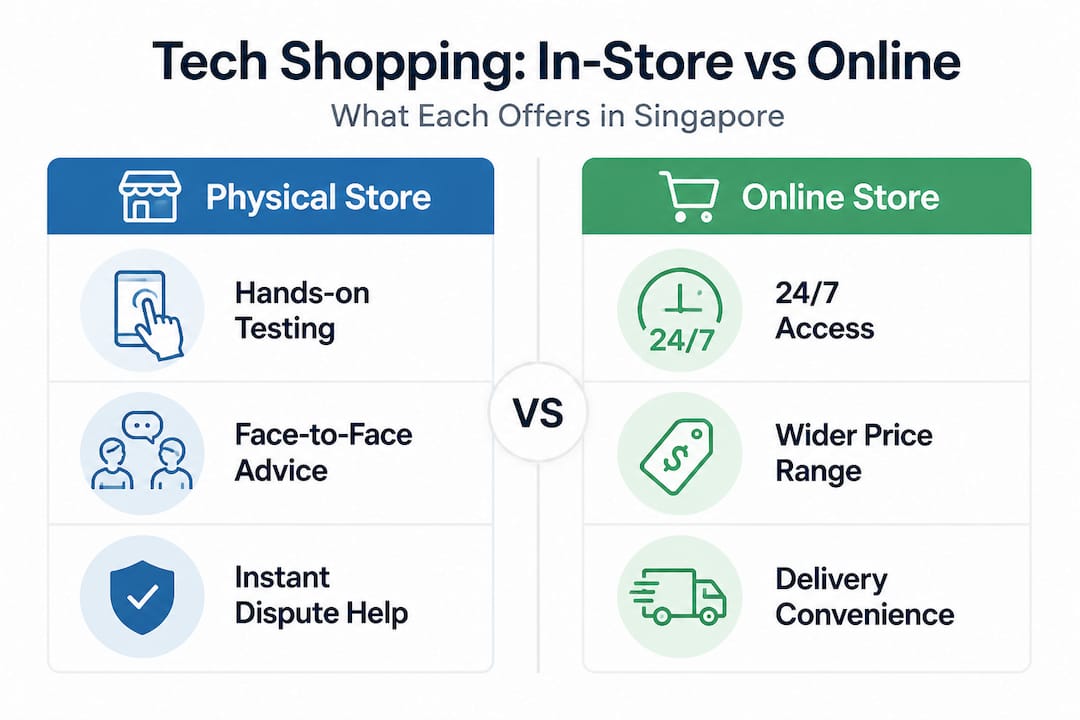
Comparison of physical vs online tech shopping in Singapore:
| Factor | Physical store | Online store |
|---|---|---|
| Product testing | Full hands-on access | None |
| Warranty clarity | Verified in person | Varies, often unclear |
| Negotiation | Common and expected | Rarely possible |
| Immediate possession | Yes | Delivery delay (1–5 days) |
| Trade-in options | Often instant | Complex or unavailable |
| Expert advice | On the spot | Chatbot or delayed support |
| Refurbished item inspection | Physical inspection | Photos only |
The types of electronics stores at Sim Lim Square range from brand-authorized dealers to independent specialists in refurbished units. That variety matters. An authorized dealer can verify warranty registration instantly. A specialist in refurbished tech can walk you through the inspection report and demonstrate the unit working before you pay.
One often-overlooked advantage is the speed of dispute resolution. When something goes wrong with a product bought online, you’re typically starting an email chain, waiting for return logistics, and hoping the seller honors their terms. When you bought it from a physical store two floors up, you walk back in and talk to a human being.
The act of handling products before purchase is a basic psychological need for high-value decisions. Research in consumer behavior consistently shows that tactile engagement increases perceived ownership and reduces post-purchase regret. That’s not a marketing gimmick. It’s how people are wired.

Pro Tip: When inspecting a refurbished smartphone or laptop in-store, always ask the retailer to show the battery health percentage, run a speed test, and demonstrate all ports working. Reputable stores will do this without hesitation, and it gives you real protection that no product listing photo can provide.
Phygital and omnichannel: Blending online and offline for the best experience
Two terms are reshaping how Singapore retailers think about tech shopping: “phygital” and “omnichannel.” Phygital means combining the physical and digital into one seamless customer journey. Omnichannel means giving shoppers a consistent, connected experience whether they’re on your website, your app, or standing inside your store.
In practice, this is exactly how the savviest shoppers in Singapore already behave. They watch a YouTube review, check prices on PricePrice.com.sg, then walk into Sim Lim Square to touch the actual unit and negotiate based on what they found. Why comparing tech retailers in Singapore matters is precisely this: the combination of digital research and in-person verification produces better purchasing decisions than either channel alone.
While e-commerce holds 12–14% of retail share, physical channels dominate tech purchases because of three core consumer needs: trust, immediacy, and verification. These needs don’t disappear as technology advances. They evolve.
Here are three concrete ways Singapore tech stores are blending channels right now:
- Online research, offline confirmation. Shoppers check specs and read comparisons on their phones before stepping in. In-store staff use tablets to pull up real-time stock and pricing, creating a unified research experience.
- Touch, test, and compare. Stores like those in Sim Lim Square display working demo units side by side. You can run the same task on two competing laptops simultaneously, something no e-commerce site replicates.
- Instant trade-ins and upgrades. Several stores offer same-day trade-in valuations. You bring in your old device, get a quote in minutes, and apply the credit toward your new purchase. No courier pickups, no waiting for online offers.
Retail system integration plays a critical backend role in enabling these experiences. When a store’s point-of-sale system connects with its online inventory and customer records, staff can verify your past purchase history, check warranty status, and process a trade-in at the same counter.
“Omnichannel isn’t just a trend, it’s a survival strategy. Stores that ignore it lose relevance. Stores that embrace it become the preferred destination for informed buyers.”
The best gadget shops at Sim Lim Square have quietly been operating a form of omnichannel for years. Regular customers check their social media or WhatsApp broadcast lists for deals, then arrive ready to buy. That relationship loop between digital touchpoints and physical visits is exactly what the biggest global retailers are now spending millions to replicate.
Pro Tip: Before visiting any tech mall, message the store directly on WhatsApp to confirm stock and current price. This pre-visit digital connection cuts down dead time in-store and positions you as a serious buyer, which often improves the deal you’re offered.
Making the most of your next tech store visit
Knowing that physical stores have real advantages is one thing. Knowing how to extract maximum value from your visit is another. Singapore’s tech markets reward prepared shoppers heavily, and Sim Lim Square is the best example in the region.
With 87% offline market share, millions of transactions happen face-to-face each year, but not every customer leaves satisfied. The ones who do are typically the ones who came with a plan.
Here’s how to approach your next visit effectively:
- Create a shortlist before you go. Narrow your options to two or three models based on online research. Stores have hundreds of products on display and too many choices can lead to decision paralysis.
- Ask for a live demo, not just a display unit. Request that staff demonstrate the specific use case you care about, video editing, gaming, photography, whatever it is. A live task test reveals more than any benchmark chart.
- Check warranty terms out loud. Ask specifically: “Is this a local warranty or a regional warranty?” Local warranties are serviced in Singapore, which matters enormously when something breaks six months later.
- Inspect refurbished units thoroughly. Look at every corner for physical damage, test every button and port, and request the inspection report. A trustworthy seller provides all of this voluntarily.
- Compare at least two stores before committing. How to find tech deals at Sim Lim Square almost always involves walking a floor or two before settling on the best offer.
Pro Tip: Screenshot the lowest price you found online before entering any store. Show it directly to the retailer. Many stores at Sim Lim Square will match or undercut it, especially for cash transactions, because they’d rather close the sale today than lose you to a website.
Bargaining remains part of the culture at Singapore’s tech markets, and that culture is something genuinely unique. It’s not aggressive or uncomfortable when done respectfully. A simple “can you do better on the price?” often unlocks a small discount, a free accessory, or an extended local warranty thrown in for goodwill. Top tech deals at Sim Lim Square are frequently the result of a conversation, not a posted price tag.
What most guides miss about tech stores in Singapore
Most articles about physical vs online tech shopping frame the debate entirely around price and convenience. That framing misses something fundamental about what makes places like Sim Lim Square genuinely irreplaceable.
These stores are not just retail points. They are community hubs for Singapore’s tech enthusiast culture. On any given weekend, you’ll find people who aren’t there to buy anything specific. They’re there to browse, to talk shop with knowledgeable staff, to compare notes with other enthusiasts, and to stay current with what’s new and what’s worth the upgrade.
That social function has real value. The peer expertise you get from a store owner who has tested every mirrorless camera that came through the shop in the past year is qualitatively different from reading a review aggregator. This person has handled returns. They know which models have heating problems in Singapore’s humidity. They know which brands actually honor their warranties without a fight. That knowledge is not published anywhere.
Store management strategies at Sim Lim Square reflect this community dimension. The most successful stores cultivate regulars, not just first-time buyers. They build a reputation for honesty that travels by word-of-mouth faster than any advertisement.
The negotiation culture itself is a form of human connection. It’s a conversation about value, about what you need and what the seller can reasonably offer. That negotiation builds trust on both sides in a way that clicking “add to cart” simply cannot.
For high-investment tech purchases, especially anything above $500, the intangible comfort of being able to look someone in the eye and hold the product in your hands still matters enormously to most Singaporeans. E-commerce is optimizing for speed. Physical stores are optimizing for confidence. Both are valuable. But when the stakes are high, confidence usually wins.
Explore Singapore’s top tech shopping destinations
Physical tech stores clearly offer things that no website can fully replicate, and Sim Lim Square sits at the center of Singapore’s hands-on shopping culture. If you want to experience this for yourself but aren’t sure where to start, Sim Lim Square Insider is built for exactly that moment.
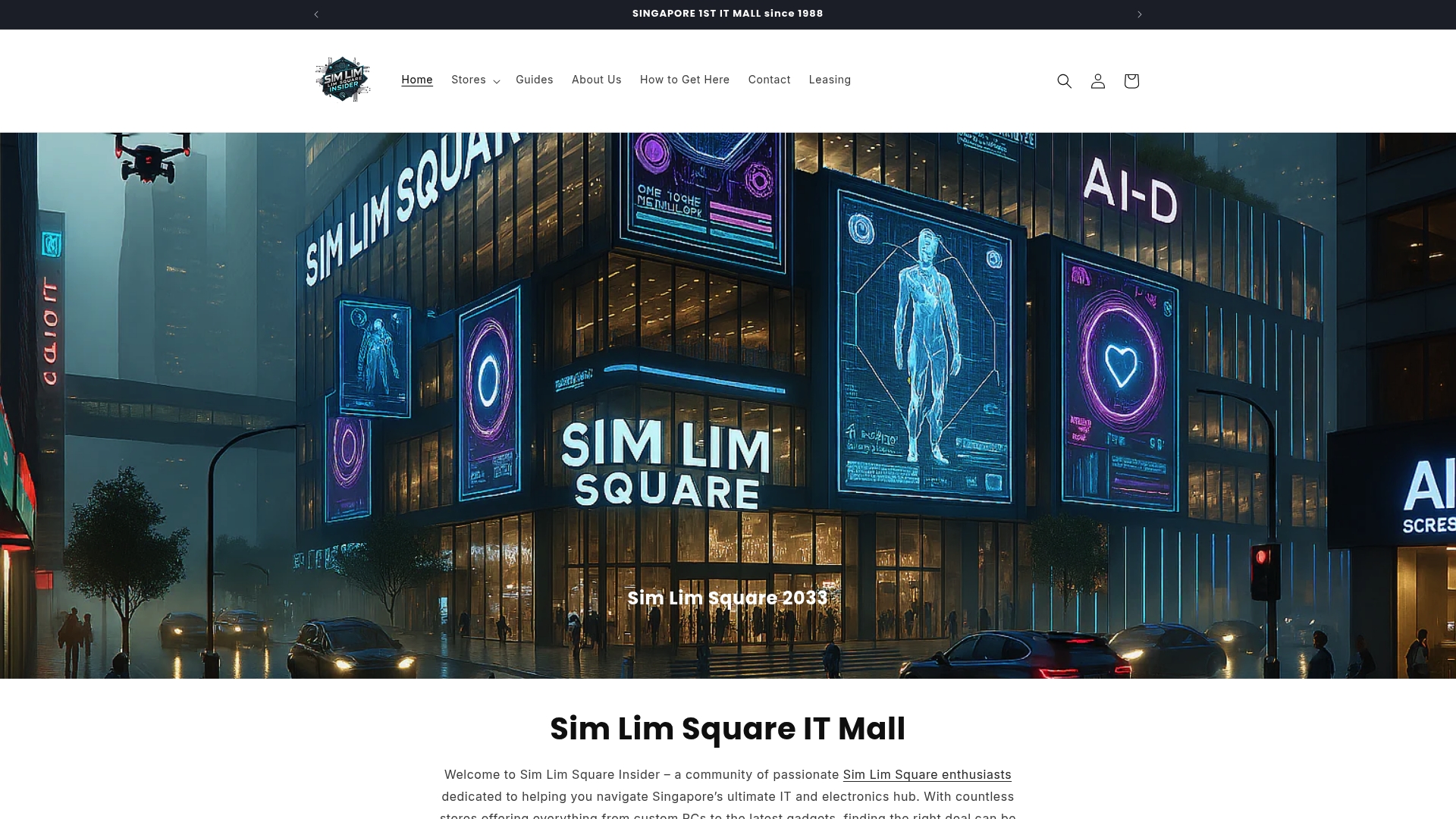
Take a Sim Lim Square tech video tour to explore the mall’s layout, meet the different store types, and get a feel for what each level specializes in before you even leave home. It’s the closest thing to a guided visit you can get from your couch. When you’re ready to compare Sim Lim Square deals in real time, our store guides, category breakdowns, and insider tips are right there to help you shop with confidence and walk out with the best possible deal.
Frequently asked questions
Are tech products cheaper in Singapore’s physical stores than online?
Physical stores can sometimes match or even beat online prices, especially when negotiating or during in-store promos in hubs like Sim Lim Square. Offline retail’s 87% market share reflects the fact that competitive pricing in-store keeps drawing buyers away from digital-only platforms.
Can I test secondhand gadgets before buying at Singapore stores?
Yes, many physical stores let you inspect and test gadgets on the spot, often with a warranty and inspection report included. Phygital retail strategies now formalize this touch-and-test experience, giving secondhand buyers the same reassurance as buying new.
What is a “phygital” tech shopping experience?
A phygital experience combines online research tools with hands-on, in-store product engagement so shoppers benefit from both channels at once. Given that physical retail dominates tech sales due to trust and verification needs, phygital is the bridge that connects digital convenience with in-person confidence.
How can I make the most out of visiting a tech mall like Sim Lim Square?
Come with a shortlist of models you’ve already researched, bring screenshots of online prices for negotiation, request live demos for your specific use case, and compare at least two stores before committing. The more prepared you are, the better the deal you’ll leave with.
Recommended
- Why compare tech retailers in Singapore for smart shopping – Sim Lim Square Insider
- Tech retail in Singapore: Trends, experiences, and smart shopping – Sim Lim Square Insider
- Electronics store types at Sim Lim Square for smart shopping – Sim Lim Square Insider
- Best gadget shops at Sim Lim Square: Local picks and tips – Sim Lim Square Insider
- Shoe shopping tips 2026: choose comfort, style and tech – YDA UK