

Singapore Tech Marketplace Guide for Smart Shoppers
TL;DR:
- Singapore’s tech marketplace combines online platforms and physical malls, offering a wide variety of new and pre-owned electronics. Shoppers benefit from in-person testing, bargaining, and local warranties at venues like Sim Lim Square, while recommerce platforms like Carousell grow rapidly, emphasizing verified condition and trust. The market continues expanding with advances in AI, cloud technology, and strict data regulations, shaping available products and buying strategies.
Singapore’s tech marketplace is defined as the combined ecosystem of online platforms and physical retail outlets where consumers buy, sell, and trade electronics and tech products locally. This ecosystem spans multi-category recommerce leaders, specialized physical malls, and enterprise-grade digital channels, giving shoppers in Singapore more options than almost any other city in Southeast Asia. The Singapore ICT market is valued at $28.6 billion in 2026, projected to reach $59.11 billion by 2035. That scale means more vendors, more competition, and better prices for everyday shoppers. Whether you want a brand-new laptop, a pre-owned mirrorless camera, or a repair service with a local warranty, Singapore’s hybrid tech retail scene delivers.
1. What makes Singapore’s tech marketplace unique
Singapore’s tech ecosystem does not replicate Silicon Valley. According to the Singapore Economic Development Board, Singapore builds synergies between local and foreign companies, adapting global best practices for Southeast Asia’s specific needs. That philosophy carries directly into retail. Shoppers here benefit from a marketplace shaped by both global brands and local vendors who understand regional preferences, warranty expectations, and price sensitivity.
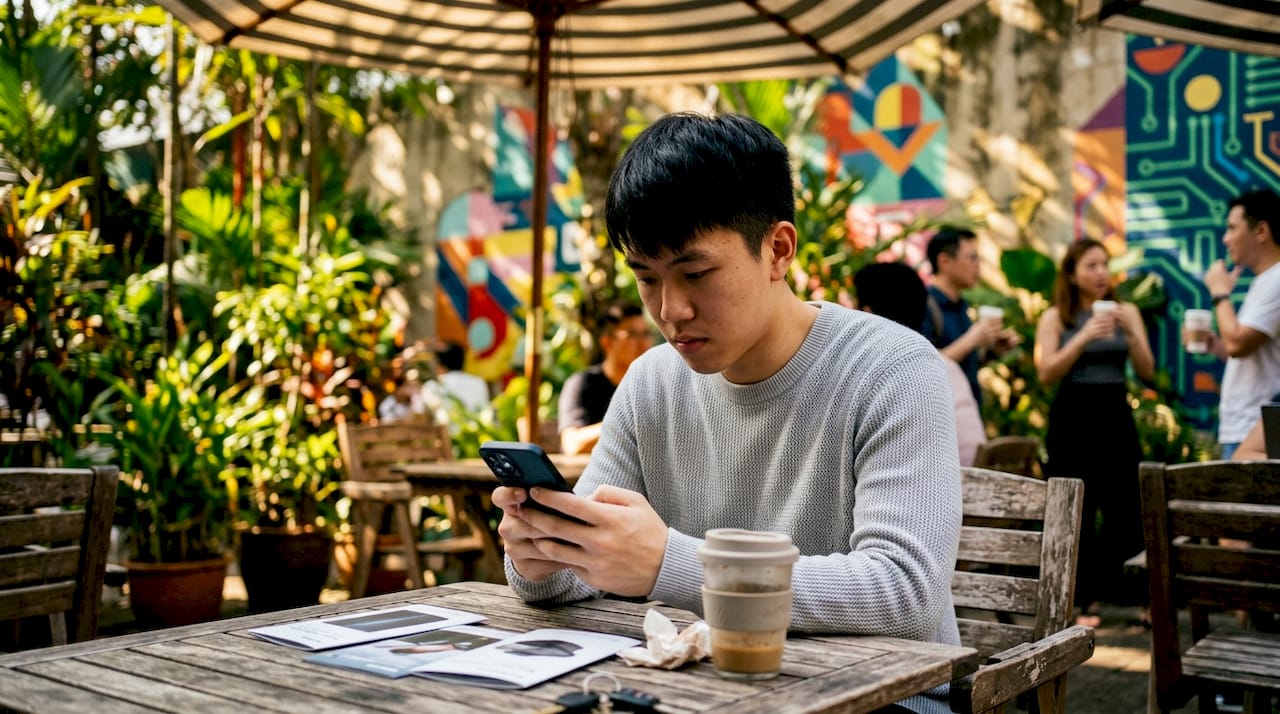
The result is a tech playground Singapore residents genuinely rely on. Online platforms compete hard on price and selection. Physical malls compete on trust, product demos, and after-sales support. The two channels reinforce each other rather than replace each other.
2. Top online tech platforms in Singapore
Online tech platforms in Singapore cover a wide range from general e-commerce giants to specialized recommerce channels. Each serves a different type of buyer.
- General e-commerce platforms carry new electronics from authorized distributors, offer buyer protection programs, and ship islandwide within one to two days. They work best for buyers who already know the exact model they want.
- Recommerce platforms like Carousell list pre-owned and refurbished devices across categories including mobile phones, laptops, cameras, and audio equipment. Recommerce rose 40% and accounted for 45% of Carousell’s FY2025 revenue. That growth signals real consumer demand, not a niche trend.
- B2B tech marketplace Singapore channels serve businesses sourcing hardware in volume. These platforms often require vendor registration and offer contract pricing, which differs significantly from retail buying.
Pro Tip: Before buying on any online platform, check whether the seller offers a local Singapore warranty. A one-year local warranty is worth more than a longer international warranty that requires overseas shipping for repairs.
The best online tech sites in Singapore also integrate payment protection, escrow-style holding of funds, and buyer dispute resolution. These features matter most when buying pre-owned goods where the product condition cannot be verified before payment.
3. Best physical tech malls for hands-on buying
Physical tech malls remain the most trusted channel for high-value electronics purchases in Singapore. Sim Lim Square on Rochor Canal Road is the city’s most recognized destination for IT and consumer electronics. The mall houses hundreds of shops across multiple levels, covering laptops, mobile phones, cameras, audio equipment, gaming peripherals, and repair services. Shoppers can test products before buying, negotiate prices directly, and walk out with immediate local warranty support.
Simlimsquareinsider provides a detailed store directory and shopping guide that maps out which floors carry which product categories, helping first-time and returning visitors plan their visit efficiently.
“Physical tech malls like Sim Lim Square give shoppers something no online platform can fully replicate: the ability to hold the product, test it under real conditions, and speak directly with a specialist who can answer questions on the spot. That direct interaction builds confidence, especially for purchases above $500.”
Key advantages of shopping at physical tech malls include:
- Immediate product inspection. You see exactly what you are buying before money changes hands.
- Bargaining opportunities. Many vendors at Sim Lim Square offer competitive pricing, especially for accessories and bundled purchases.
- On-site repair services. Screen replacements, battery swaps, and data recovery services are available within the same building.
- Local warranty registration. Staff can register your warranty on the spot and explain the terms clearly.
The ongoing relevance of physical stores for Singapore shoppers is well documented. Foot traffic at specialized tech malls has held steady even as online shopping grew, because the two channels serve different purchase stages.
4. How recommerce is reshaping the Singapore technology market
Recommerce is the structured buying and selling of pre-owned goods through platforms that add verification, grading, and inspection services. Carousell turned Ebitda-positive in FY2025 with recommerce as its largest revenue contributor. That milestone matters because it proves the model is financially sustainable, not just socially popular.
| Recommerce feature | Consumer benefit |
|---|---|
| Offline inspection hubs | Verify product condition before completing purchase |
| Trade-in programs | Offset cost of new device with value from old one |
| Graded listings (A/B/C) | Set clear expectations on cosmetic and functional condition |
| Buyer protection policies | Dispute resolution if product does not match listing |
Singapore shoppers increasingly prefer recommerce platforms that combine online listings with offline inspection points. The offline component closes the trust gap that purely digital transactions leave open. For categories like mobile phones and laptops, being able to inspect a device in person before finalizing payment is the deciding factor for many buyers.
Pro Tip: When buying a pre-owned laptop through a recommerce platform, always request the battery health report and ask whether the device has been serviced. Platforms with offline inspection hubs can provide this documentation at the point of inspection.
The environmental case for recommerce is also gaining traction. Extending the life of a device by two to three years reduces electronic waste significantly. Singapore’s National Environment Agency has flagged e-waste as a priority concern, and recommerce directly addresses it by keeping functional devices in circulation longer.
5. Industry trends shaping what you can buy
-
Cloud and hybrid architecture dominance. The Singapore ICT market is transitioning from legacy data centers to hybrid cloud and confidential computing models. For consumers, this means more devices are designed to integrate with cloud services from day one, including smart home hubs, NAS drives, and AI-enabled laptops.
-
AI-driven product ecosystems. AI venture deals comprised 30% of Singapore’s total venture activity in 2025. That investment is flowing into AI-enabled consumer products, from noise-canceling earbuds with adaptive algorithms to laptops with dedicated neural processing units.
-
Regulatory influence on product availability. IMDA standards and PDPC regulations shape which cloud-connected products vendors can legally sell in Singapore. Devices that do not meet local data protection requirements may be unavailable or sold in restricted configurations.
-
Late-stage tech funding concentration. Late-stage funding made up 87.7% of Singapore tech funding activity in june 2026. Mature, well-funded companies dominate the vendor landscape, which generally means better product support and longer warranty commitments for consumers.
-
Sovereign cloud and data residency. Enterprise buyers and government agencies are consolidating procurement around vendors who can guarantee Singapore-based data residency. This trend filters down to consumer products as local cloud storage and privacy features become selling points.
6. Tips for choosing the right marketplace and making smart purchases
Choosing where to buy tech products in Singapore depends on three factors: the type of product, your budget, and how much post-sale support you expect.
- Match the channel to the product. Buy new flagship smartphones and laptops from authorized retailers or general e-commerce platforms with official distributor status. Buy accessories, older-generation devices, and refurbished gear through recommerce platforms with inspection services.
- Check warranty terms before paying. Local warranty coverage from a Singapore-registered vendor is the standard to aim for. International warranty products may cost less upfront but create friction if repairs are needed.
- Use online research, then inspect in person. Read reviews and compare prices online first. Then visit a physical location like Sim Lim Square to test the product before committing. This two-step approach catches issues that photos and spec sheets miss.
- Verify seller ratings and transaction history. On recommerce platforms, sellers with hundreds of completed transactions and consistent ratings are lower risk than new accounts with no history.
- Understand the return policy. Physical stores and online platforms handle returns differently. Confirm the return window and condition requirements before purchase, not after.
Simlimsquareinsider’s guide on finding electronics deals at Sim Lim Square covers specific tactics for negotiating prices and identifying which shops specialize in which product categories.
Pro Tip: Visit Sim Lim Square on a weekday morning for the best shopping experience. Fewer crowds mean more time with shop staff, easier product testing, and more room to negotiate.
Key Takeaways
Singapore’s tech marketplace rewards shoppers who combine online research with physical inspection, particularly for high-value or pre-owned electronics.
| Point | Details |
|---|---|
| Hybrid approach wins | Combine online price research with in-person inspection at physical malls for the best outcome. |
| Recommerce is mainstream | Carousell’s recommerce segment grew 40% in FY2025, proving pre-owned tech buying is a trusted, growing channel. |
| Local warranty matters | Always confirm Singapore-based warranty coverage before completing any tech purchase. |
| ICT market is large and growing | Singapore’s $28.6 billion ICT market in 2026 means strong vendor competition and broad product availability. |
| Physical malls add real value | Sim Lim Square and similar venues offer product testing, on-site repairs, and direct seller interaction that online platforms cannot replicate. |
My honest read on Singapore’s hybrid tech marketplace
I have spent years watching Singapore’s tech retail scene shift, and the pattern that stands out most is this: the shoppers who get burned are almost always the ones who skipped the physical inspection step. Not because online platforms are unreliable, but because electronics are tactile products. A laptop hinge that feels loose, a screen with a faint backlight bleed, a battery that drains faster than advertised. These things show up immediately when you hold the device. They rarely show up in a listing photo.
The recommerce growth story is real and worth paying attention to. Carousell reaching Ebitda-positive territory on the back of recommerce is not a small milestone. It means the model has proven itself financially, which in turn means more investment in inspection infrastructure, better grading standards, and more seller accountability. That is good news for buyers.
What I find underappreciated is how well Singapore’s physical tech malls have adapted. Sim Lim Square in particular has evolved beyond the reputation it carried a decade ago. The commercial trends at Sim Lim Square in 2026 show a more professional retail environment with better-trained staff and clearer pricing. Shoppers who visit with a clear product in mind and a basic understanding of market prices consistently walk away satisfied.
The macro trends, AI integration, hybrid cloud, sovereign data requirements, will keep reshaping what products are available and how they are sold. But the fundamentals of smart tech buying in Singapore have not changed. Know what you want, verify the condition, confirm the warranty, and do not skip the in-person check for anything above $300.
— Aloysius
Your next step with Simlimsquareinsider
Simlimsquareinsider covers Singapore’s tech retail scene with guides built specifically for local shoppers. The platform maps out store locations, product categories, and current deals across Sim Lim Square’s multiple levels, so you spend less time searching and more time buying with confidence.
Whether you are tracking second-hand laptop options or want a full breakdown of what each floor at Sim Lim Square carries, Simlimsquareinsider gives you the ground-level detail that generic review sites skip. The electronics retail trends guide is a strong starting point for shoppers who want context before they visit. For the full resource library, visit Simlimsquareinsider and browse by product category or shopping goal.
FAQ
What is the best tech marketplace in Singapore?
The best option depends on what you are buying. Physical malls like Sim Lim Square suit high-value purchases where hands-on inspection matters, while recommerce platforms work well for pre-owned electronics with verified grading and buyer protection.
Is it safe to buy pre-owned tech in Singapore?
Buying pre-owned tech is safe when you use platforms that offer offline inspection hubs, graded condition listings, and buyer protection policies. Carousell’s recommerce model, which turned Ebitda-positive in FY2025, is a strong example of a trust-built channel for secondhand electronics.
How big is Singapore’s technology market?
Singapore’s ICT market is valued at $28.6 billion in 2026 and projected to grow to $59.11 billion by 2035 at an 8.4% CAGR, driven by cloud services, AI adoption, and hybrid architecture demand.
What should I check before buying electronics at Sim Lim Square?
Confirm the warranty type (local Singapore warranty is preferred), test the product in store, and verify the shop’s return policy before paying. Simlimsquareinsider’s store directory helps identify which shops specialize in specific product categories.
How do IMDA regulations affect tech products available in Singapore?
IMDA standards and PDPC data protection rules determine which cloud-connected products vendors can legally sell in Singapore. Devices that do not meet local compliance requirements may be sold in restricted configurations or not available at all.
Recommended
- Why compare tech retailers in Singapore for smart shopping – Sim Lim Square Insider
- Why physical tech stores still matter for Singapore shoppers – Sim Lim Square Insider
- Tech retail in Singapore: Trends, experiences, and smart shopping – Sim Lim Square Insider
- Master the workflow for finding tech deals at Sim Lim Square – Sim Lim Square Insider